


 People
All SBA people have worked together for many years and provide experience in senior management roles and relationships, employee research, workshop facilitation, coaching, communications and analysis — the key elements of developing a great employer brand. Plus Mergers and Acquisitions where every element of that is needed (ideally before completion).
 Clients
I have worked for many great employers in my time among them Chanel, Mercedes-Benz, Hiscox, Invesco Perpetual, Vestey Group, Freshfields and the Israeli Pharmaceutical leader Teva. These in particular demonstrated the hallmarks of determined and visible leadership, clarity of purpose and the ability to inspire loyalty and engagement (including that from their suppliers).
 The No. 1 success factor is the presence of a superbly talented individual. Such people can transform the employer brands of great corporates too. Be one of them and when you see the case for a better way stand up and make it.
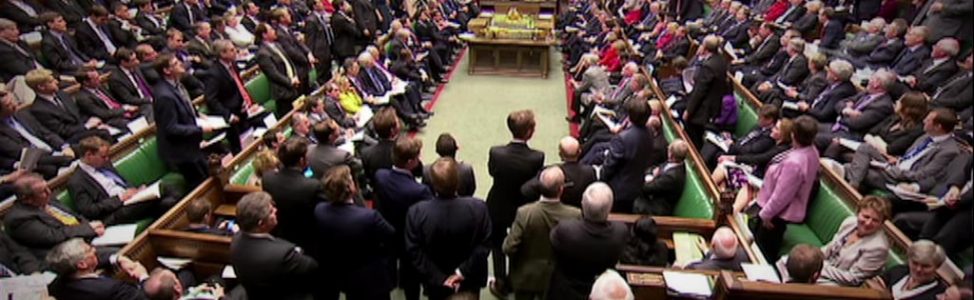
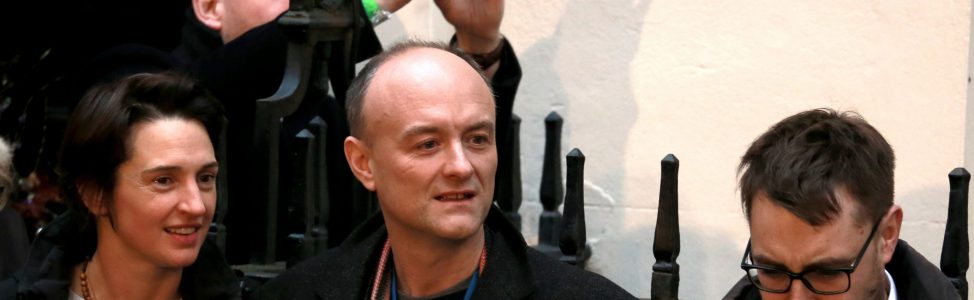


UK Politicians – an abject failure in Employer Brand Management. Has anyone ever even tried?

The role of ‘UK Politicians’ fails on every level of Employer Brand best practice. It looks like nobody has ever tried to do what modern employers do while realising that being an MP is very different. It’s a free country just let it happen people may say. Yet this job matters for all of us and we want to see outstanding candidates coming forward.
Of course, being an MP is a unique job unlike any other. It’s fine that anybody can have a go but nobody is leading action to encourage and engage those with the most to give. Which party is not the point, it’s the job itself.
Politicians should be diverse on every dimension but they should also be people we are proud of and whom we trust and respect whatever their views. That is critical for our 650 constituencies who need their analysis, independence, courage and commitment to parliamentary democracy. And there is an even more critical requirement. It is only from these people, our elected MPs, that future Prime Ministers, Leaders of the Opposition, their cabinets and shadow cabinets will emerge. Why is the choice of them so limited?
People have complained about politicians for years but now, in this crisis of leadership and confidence’ enough is enough. We need to improve the reputation of the job.
Imagine there was a senior Government role above the parties like the Speaker, someone responsible for:
- ensuring that the role of MP, in any party, is seen by those best qualified for it, as something they would love to do and,
- ensuring that the realities of the role did not unduly deter such people from coming forward and remaining engaged.
That in essence is what any strong Employer Brand Manager does. What would such a person start doing to address what is wrong and upgrade the job? Here goes:
- Answer the question: what makes a great MP whatever the party? Consider for example character, intelligence, integrity, diligence, motivation (ie for mankind, country, party and themselves).
- What do we know about recent and current MPs? We know something of what they studied from a Wikipedia review of 374 MPs out of 650:
• The top four subjects were Social Studies of some sort, Law, History/Philosophy and languages.
• They are short on STEM subjects – only 11.3% of Conservatives and 11.9% of Labour, prompting the Institute for Government to report Ministers frequently do not pay sufficient attention to the IT dimensions of policy announcements.
• From a House of Commons Library briefing paper Nov 2018 some figures: female 32%, LGBTQ 7%, over 50s 52%, non white 8% (versus 14% population), graduates 82%, fee paid education 29% (Cons 44% vs 72% in 1979, Labour 13%).
• What occupational background do they have and how have they changed over the years? Several messages here:1979 2015 Professions 45% 31% Business 22% 31% Miscellaneous:
White collar, political studiesPublishing, media 17% 35% Manual workers 16% 3% - The above only takes us so far, it does not tell us about the personality and relationships with others. Information from assessments like Myers Briggs, The Kirton test for Innovation, team players versus individuals, numerical and verbal reasoning, the awareness of danger and risk. Of course, MPs cannot be instructed to take any of these but knowing what the most effective politicians tend to have in terms of personality would be a useful guide for those considering joining them. I recall, aged 17, when at an American school, taking the Edward Strong personality test (created at Stanford) and, looking back at the scores. how incredibly accurate they were on what I should do and who I would be happiest working with.
- What about the job itself and how do MPs rate it? Consider what drives them nuts?, what makes it all worthwhile? How do they rate themselves and how do they rate their colleagues? When they leave Parliament what do they miss? What do they think being an MP is a spring board for? (What in fact do MPs do later?) As a result of this research, what changes should and could be made to the EB ‘touch points’ of this job which would make it more attractive for the most desired candidates?
- What do the most desired candidates think of being an MP? Did they ever consider it and why/why not? What strengths might it have and what weaknesses?
That’s for starters. From this our EB Manager (maybe Director?) would be able to develop the EVP – the Employee Value Proposition, the vital elements of the job and pillars and rationale on which they are based. Of course (more EB jargon) work on addressing the ‘brand busters’ ie those elements which should be eliminated or their negative impact lessened.
Then our EBM could move on to the targeting of those most likely candidates, who should emerge from any part of our society. Then comes the development of the communications and the media which should best convey them and at what stage – at schools, university, organised labour, apprentices, minority groups. Then diverse case histories of those willing to talk about the job. Finally, measurement of how the key dimensions of the MPs role has changed in the view of the public and of MPs themselves. My suggestion for the No 1 dimension being ‘respect for MPs’.
That number will probably be very low. Good time to start an initiative like this! Our democracy depends on it.
Simon Barrow

